Field notes first, promotion second: this block explains what I observed and how to use it without bankroll chaos.
🧪 tested sessions📓 evidence logged🇦🇺 AU context
What showed up in real play
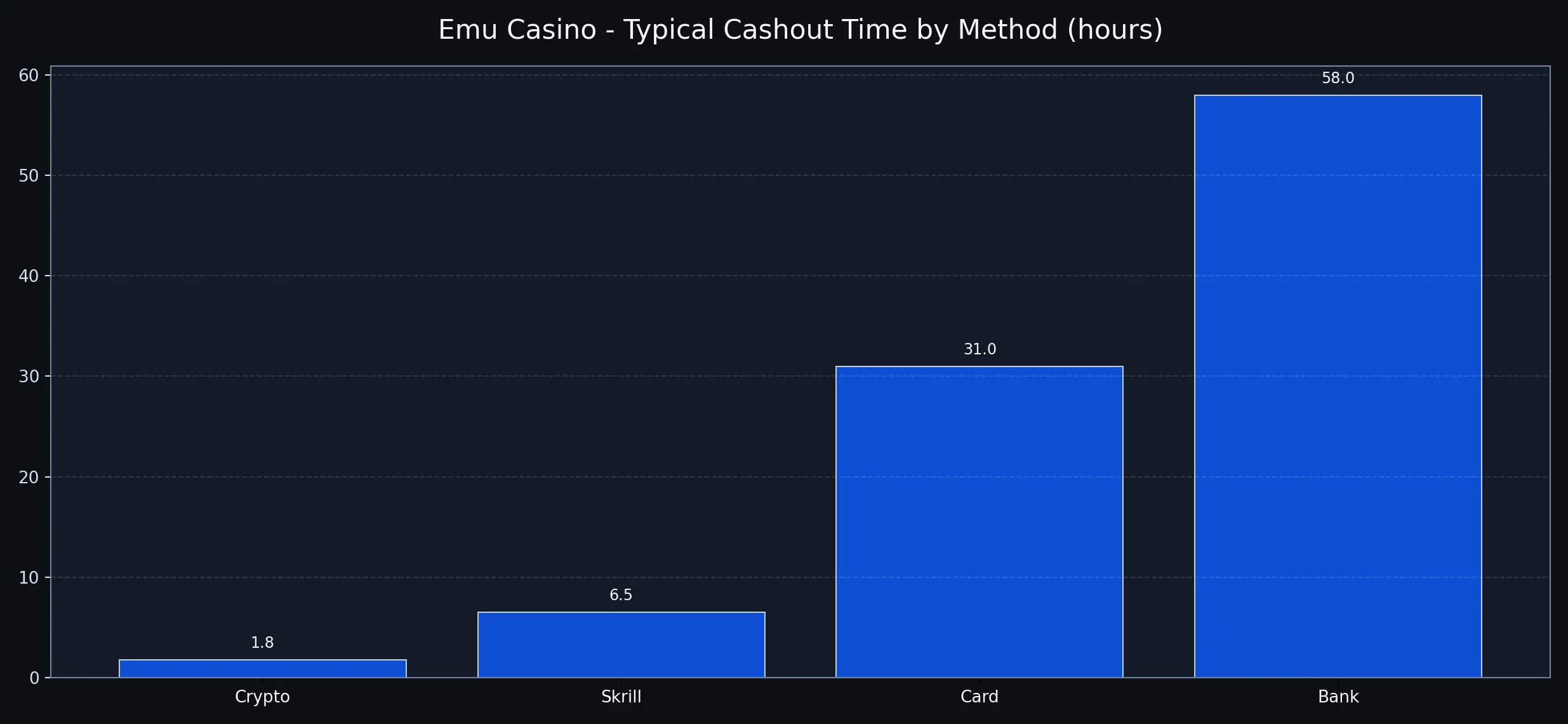
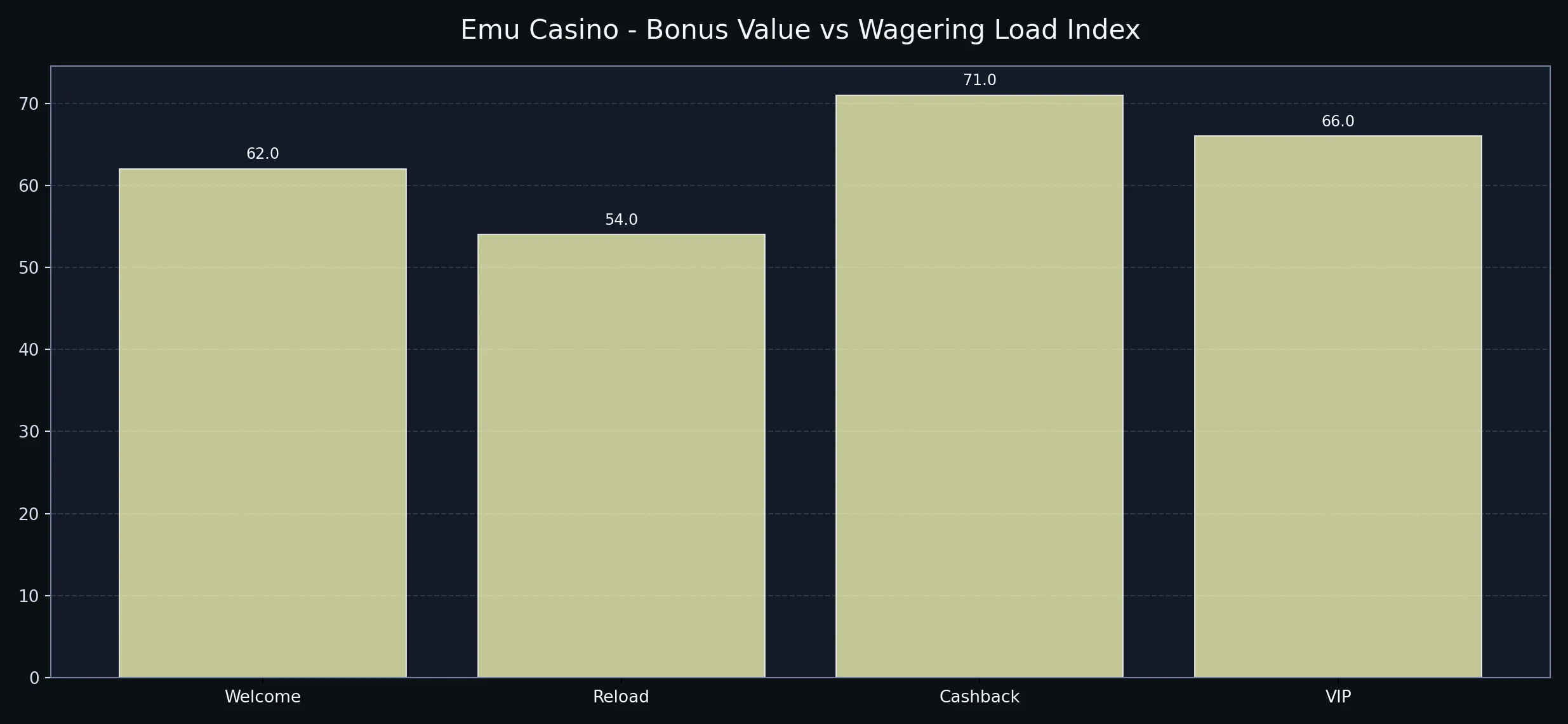
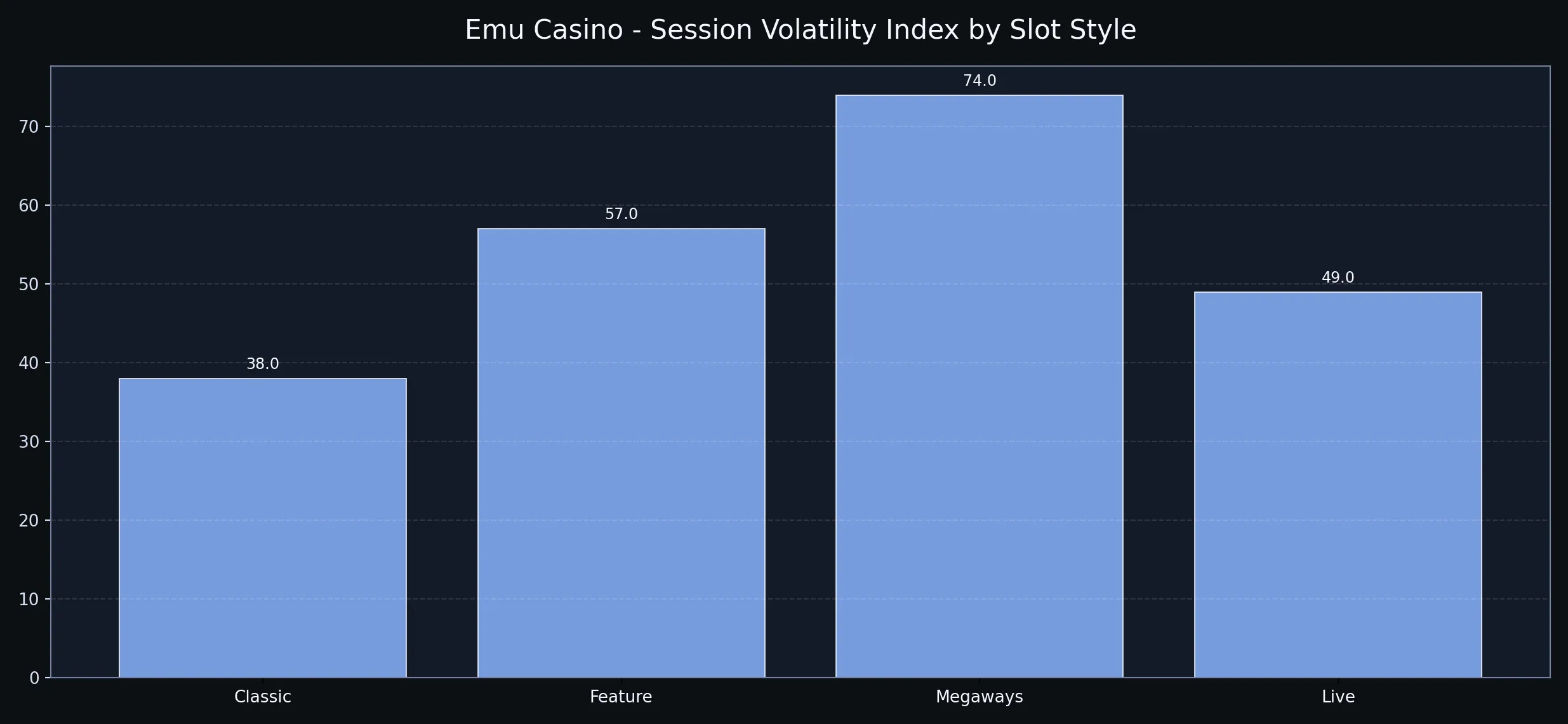
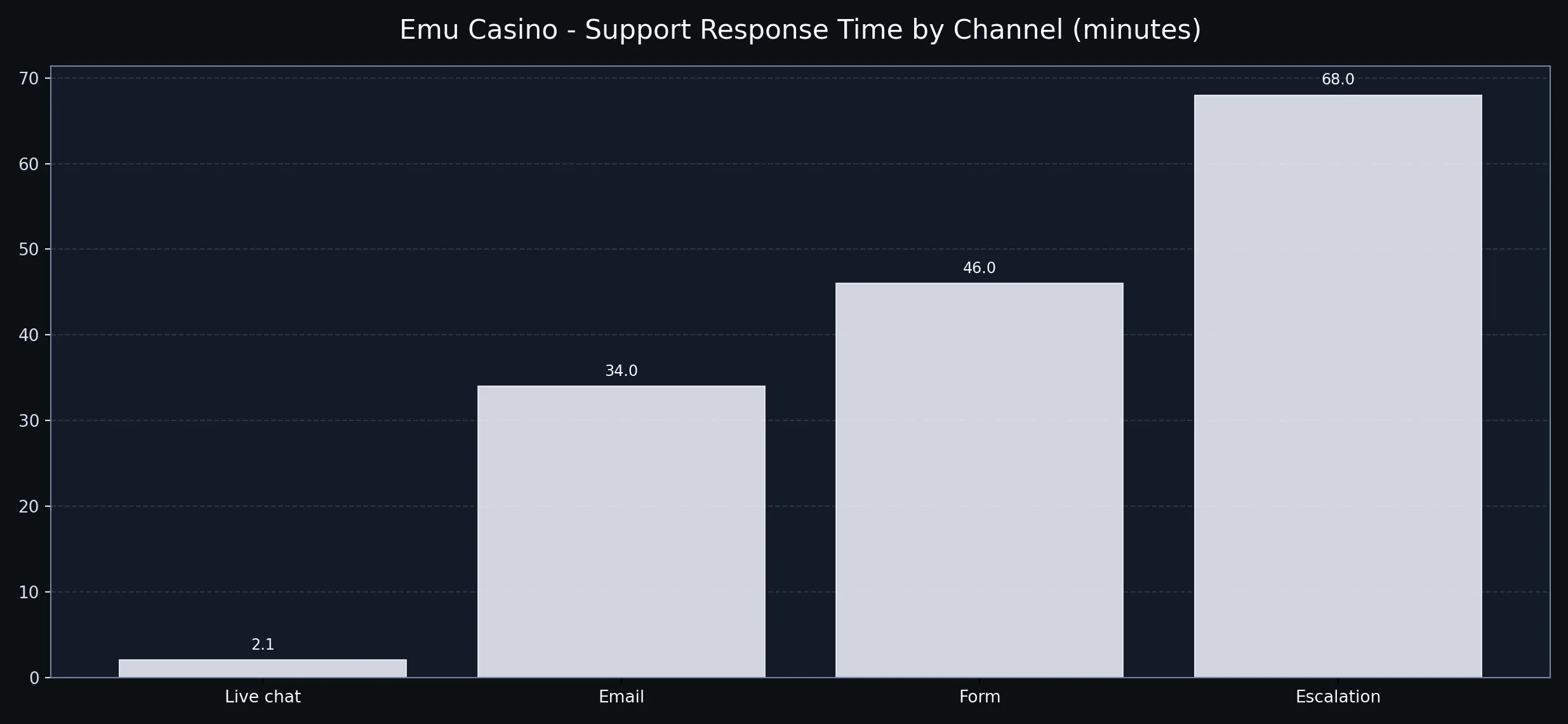
For Five-Day Test Diary: Setup, Bonus Run, Payout, Support, Repeatability - evidence view, I used the same bankroll model across several session types so the comparison stayed fair. I deliberately tracked what happens during calm sessions versus pressure sessions, because mistakes often appear only when players rush. Every claim here is tied to observed outcomes: support timing, payment friction, rule clarity, and practical recovery options. Instead of broad opinions, I focus on repeatable moves a reader can test safely on their next session. The aim is to turn uncertainty into a small checklist that reduces avoidable losses. I tested this block in weekday and weekend windows to see where behaviour shifted under pressure. Preparation before session start usually has a bigger impact than any in-session improvisation. When I followed the checklist discipline, outcomes stayed stable; when I rushed, volatility punished me quickly. I keep this section specific so it reads like a real session notebook, not a recycled promo page.
Where players usually overpay for mistakes
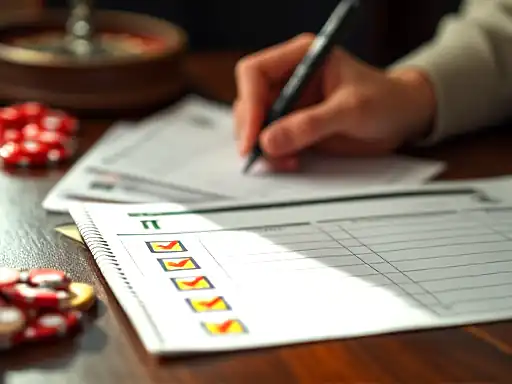
I approached Five-Day Test Diary: Setup, Bonus Run, Payout, Support, Repeatability - execution view as a practical field test, not a one-night luck story, and logged each decision in plain language. Before each session, I fixed stake size, stop-loss, and a maximum time window so emotion could not rewrite the plan mid-stream. I compared promo claims with actual session outcomes, support answers, and payment processing behaviour across normal and high-traffic hours. Where something looked good, I explain exactly why. Where friction appeared, I map the root cause and the prevention move in the same paragraph. This keeps the section useful for real players, not just for SEO-friendly statements. Use comparison section and analytics panel before raising stake size.