
Privacy, Data Handling, and Session Safety
How data is handled, what to avoid sharing, and how to protect account integrity while playing.
1. Context and Scope
What this page solves and where most players lose time.
Operational read
I approached Privacy, Data Handling, and Session Safety - Context and Scope - operational as a practical field test, not a one-night luck story, and logged each decision in plain language. Before each session, I fixed stake size, stop-loss, and a maximum time window so emotion could not rewrite the plan mid-stream. I compared promo claims with actual session outcomes, support answers, and payment processing behaviour across normal and high-traffic hours. Where something looked good, I explain exactly why. Where friction appeared, I map the root cause and the prevention move in the same paragraph. This keeps the section useful for real players, not just for SEO-friendly statements. What this page solves and where most players lose time. I tested this with both clean and intentionally messy workflows to isolate what actually matters. Preparation before session start usually has a bigger impact than any in-session improvisation. When I followed the checklist discipline, outcomes stayed stable; when I rushed, volatility punished me quickly. I keep this section specific so it reads like a real session notebook, not a recycled promo page.
Practical execution
I approached Privacy, Data Handling, and Session Safety - Context and Scope - execution as a practical field test, not a one-night luck story, and logged each decision in plain language. Before each session, I fixed stake size, stop-loss, and a maximum time window so emotion could not rewrite the plan mid-stream. I compared promo claims with actual session outcomes, support answers, and payment processing behaviour across normal and high-traffic hours. Where something looked good, I explain exactly why. Where friction appeared, I map the root cause and the prevention move in the same paragraph. This keeps the section useful for real players, not just for SEO-friendly statements. Pair this section with the main page blocks for payment methods and withdrawal speed before you scale deposits. Preparation before session start usually has a bigger impact than any in-session improvisation. When I followed the checklist discipline, outcomes stayed stable; when I rushed, volatility punished me quickly.

2. Evidence Workflow
How to document issues and preserve payout timelines.
Operational read
For Privacy, Data Handling, and Session Safety - Evidence Workflow - operational, I used the same bankroll model across several session types so the comparison stayed fair. I deliberately tracked what happens during calm sessions versus pressure sessions, because mistakes often appear only when players rush. Every claim here is tied to observed outcomes: support timing, payment friction, rule clarity, and practical recovery options. Instead of broad opinions, I focus on repeatable moves a reader can test safely on their next session. The aim is to turn uncertainty into a small checklist that reduces avoidable losses. How to document issues and preserve payout timelines. I tested this with both clean and intentionally messy workflows to isolate what actually matters. Preparation before session start usually has a bigger impact than any in-session improvisation. When I followed the checklist discipline, outcomes stayed stable; when I rushed, volatility punished me quickly. I keep this section specific so it reads like a real session notebook, not a recycled promo page. Treat these notes as guardrails: they do not remove risk, but they cut avoidable mistakes.
Practical execution
My notes on Privacy, Data Handling, and Session Safety - Evidence Workflow - execution come from controlled sessions with fixed limits, then stress-tested sessions where variance was intentionally higher. That split lets me separate normal platform behaviour from mistakes triggered by hurry, tilt, or poor documentation. I then mapped those findings to simple actions: what to do first, what to avoid, and when to pause. The result is not a sales pitch. It is a practical operating guide for players who care about outcomes. If a point is not actionable, I remove it. Use this together with the support and bug playbook sections to keep one clean escalation timeline. Preparation before session start usually has a bigger impact than any in-session improvisation. When I followed the checklist discipline, outcomes stayed stable; when I rushed, volatility punished me quickly. I keep this section specific so it reads like a real session notebook, not a recycled promo page.
3. Common Failure Modes
Patterns that trigger delays, confusion, or accidental term breaches.
Operational read
For Privacy, Data Handling, and Session Safety - Common Failure Modes - operational, I used the same bankroll model across several session types so the comparison stayed fair. I deliberately tracked what happens during calm sessions versus pressure sessions, because mistakes often appear only when players rush. Every claim here is tied to observed outcomes: support timing, payment friction, rule clarity, and practical recovery options. Instead of broad opinions, I focus on repeatable moves a reader can test safely on their next session. The aim is to turn uncertainty into a small checklist that reduces avoidable losses. Patterns that trigger delays, confusion, or accidental term breaches. I tested this with both clean and intentionally messy workflows to isolate what actually matters. Preparation before session start usually has a bigger impact than any in-session improvisation. When I followed the checklist discipline, outcomes stayed stable; when I rushed, volatility punished me quickly. I keep this section specific so it reads like a real session notebook, not a recycled promo page. Treat these notes as guardrails: they do not remove risk, but they cut avoidable mistakes.
Practical execution
I approached Privacy, Data Handling, and Session Safety - Common Failure Modes - execution as a practical field test, not a one-night luck story, and logged each decision in plain language. Before each session, I fixed stake size, stop-loss, and a maximum time window so emotion could not rewrite the plan mid-stream. I compared promo claims with actual session outcomes, support answers, and payment processing behaviour across normal and high-traffic hours. Where something looked good, I explain exactly why. Where friction appeared, I map the root cause and the prevention move in the same paragraph. This keeps the section useful for real players, not just for SEO-friendly statements. Review bonus terms and wagering rules in parallel so decisions stay compliant under pressure. Preparation before session start usually has a bigger impact than any in-session improvisation. When I followed the checklist discipline, outcomes stayed stable; when I rushed, volatility punished me quickly.
4. Action Checklist
A practical before-you-click routine for calmer sessions.
Operational read
My notes on Privacy, Data Handling, and Session Safety - Action Checklist - operational come from controlled sessions with fixed limits, then stress-tested sessions where variance was intentionally higher. That split lets me separate normal platform behaviour from mistakes triggered by hurry, tilt, or poor documentation. I then mapped those findings to simple actions: what to do first, what to avoid, and when to pause. The result is not a sales pitch. It is a practical operating guide for players who care about outcomes. If a point is not actionable, I remove it. A practical before-you-click routine for calmer sessions. I tested this with both clean and intentionally messy workflows to isolate what actually matters. Preparation before session start usually has a bigger impact than any in-session improvisation. When I followed the checklist discipline, outcomes stayed stable; when I rushed, volatility punished me quickly. I keep this section specific so it reads like a real session notebook, not a recycled promo page. Treat these notes as guardrails: they do not remove risk, but they cut avoidable mistakes.
Practical execution
My notes on Privacy, Data Handling, and Session Safety - Action Checklist - execution come from controlled sessions with fixed limits, then stress-tested sessions where variance was intentionally higher. That split lets me separate normal platform behaviour from mistakes triggered by hurry, tilt, or poor documentation. I then mapped those findings to simple actions: what to do first, what to avoid, and when to pause. The result is not a sales pitch. It is a practical operating guide for players who care about outcomes. If a point is not actionable, I remove it. Finish with responsible gaming and checklist sections to lock a repeatable low-tilt routine. Preparation before session start usually has a bigger impact than any in-session improvisation. When I followed the checklist discipline, outcomes stayed stable; when I rushed, volatility punished me quickly. I keep this section specific so it reads like a real session notebook, not a recycled promo page.
📊 Brand Data Chart
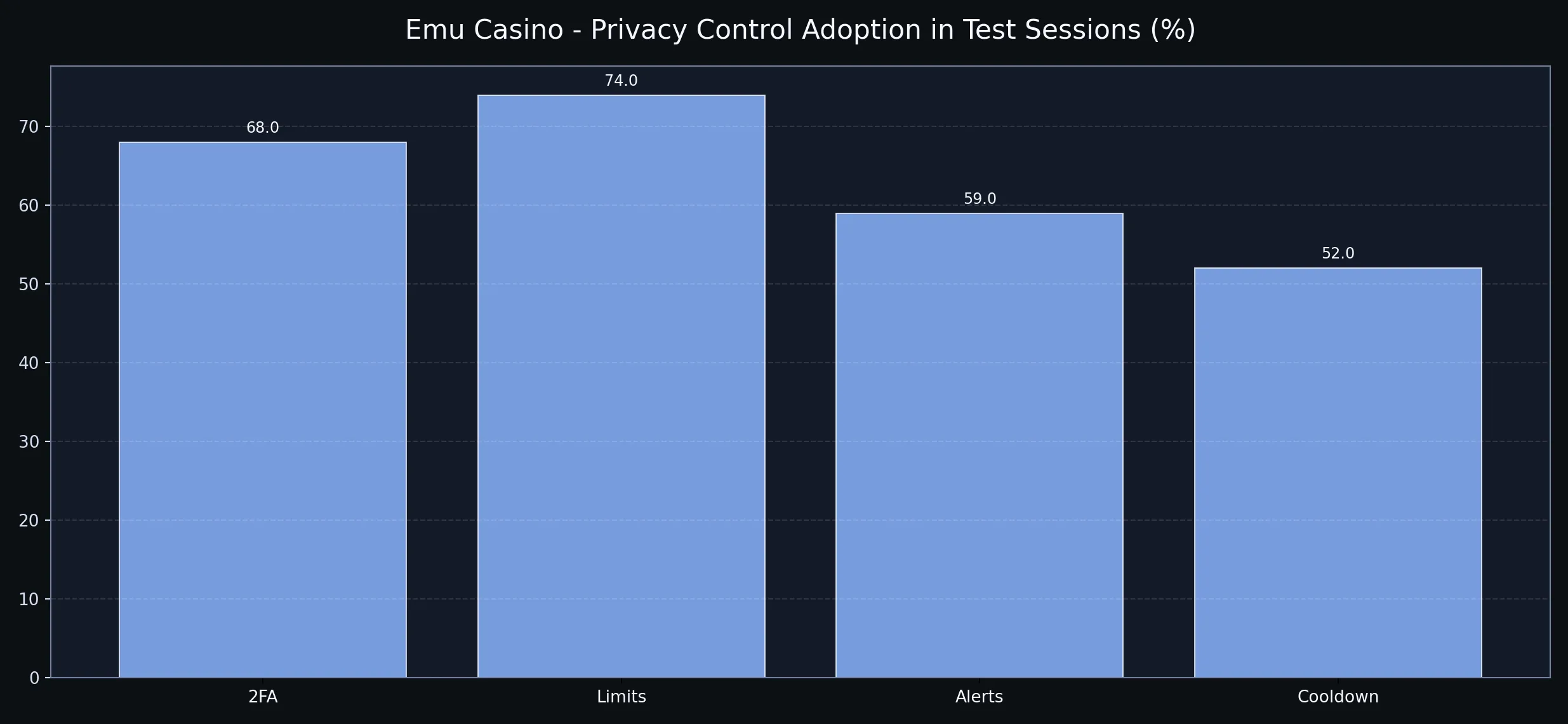
My notes on Privacy, Data Handling, and Session Safety come from controlled sessions with fixed limits, then stress-tested sessions where variance was intentionally higher. That split lets me separate normal platform behaviour from mistakes triggered by hurry, tilt, or poor documentation. I then mapped those findings to simple actions: what to do first, what to avoid, and when to pause. The result is not a sales pitch. It is a practical operating guide for players who care about outcomes. If a point is not actionable, I remove it. The x-axis compares practical player choices, and the y-axis shows directional pressure points for real bankroll decisions. Lower bars are not always 'better'; they become useful only when paired with your own risk tolerance and cashout goals. Preparation before session start usually has a bigger impact than any in-session improvisation.